Sustainable Healthy Living Program
for Expectant Mothers
The program focuses on mothers who are in their final month of pregnancy.
Because many of these women live in remote villages, they often travel to the public hospital in La Esperanza weeks before their due date to avoid dangerous complications on the road during labor.
HRM meets them during this waiting period to provide education and physical resources
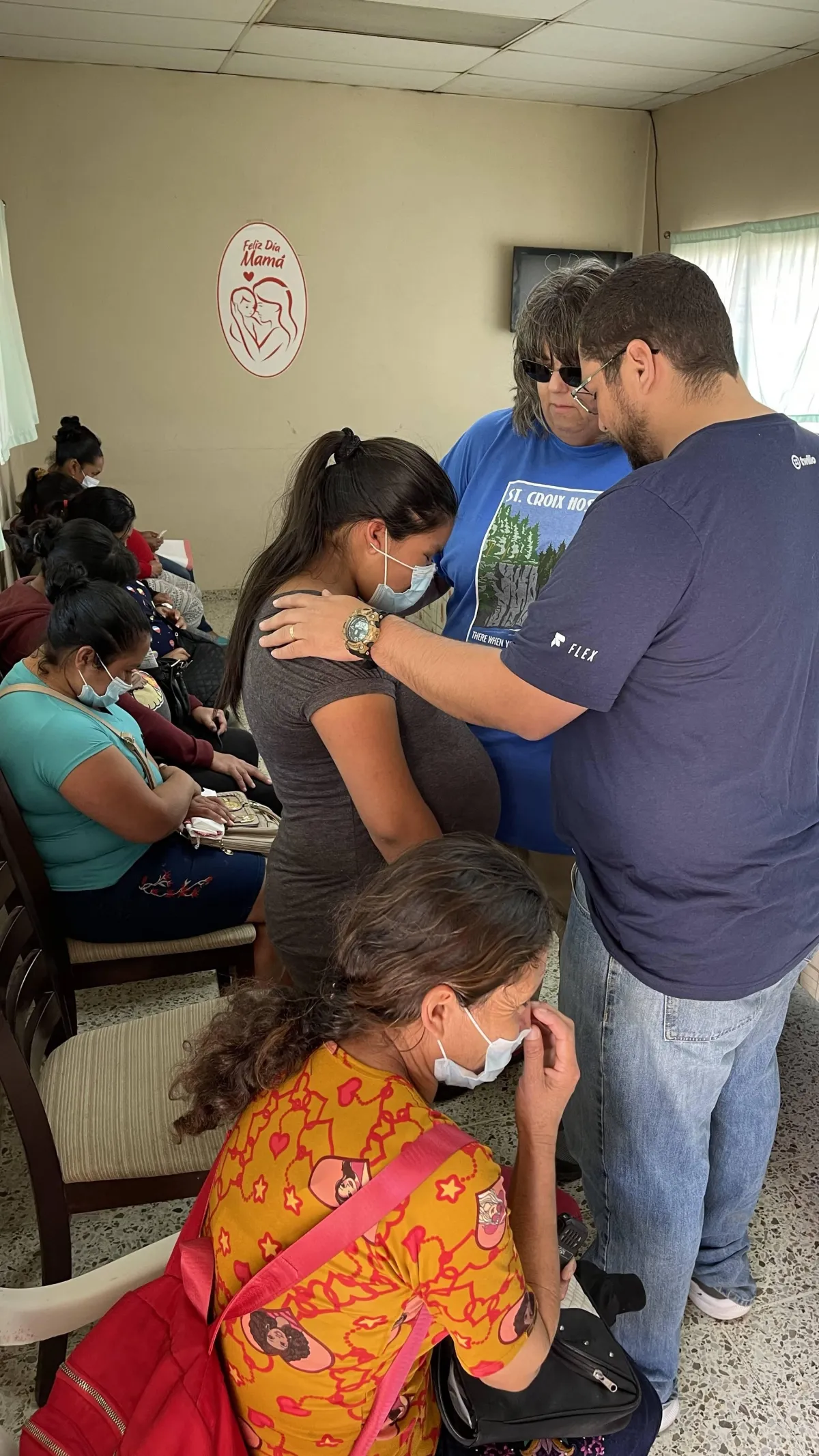
Partners with the local health department to support pregnant women in their final month of pregnancy.
Offers nutrition classes, health education, food, clothing, personal items, and vegetable seeds to promote sustainable, healthy families.
Nutrition: Teaching the specific caloric and vitamin needs for both the mother and the developing baby.
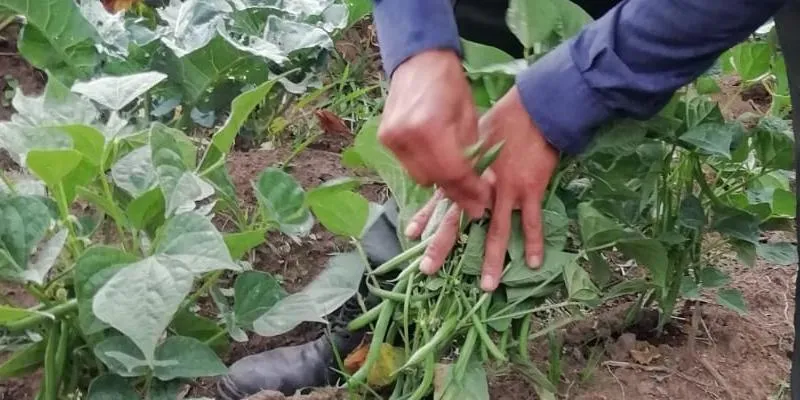
Bio-Intensive Gardening: Mothers are taught how to grow enough vegetables to feed a family of six in a small space near their homes.
Infant & Self Care: Practical training on hygiene, newborn health, and water purification (using filters or boiling) to prevent waterborne illnesses.
Godly Living: Every class includes discipleship and prayer, focusing on spiritual health and family relationships.
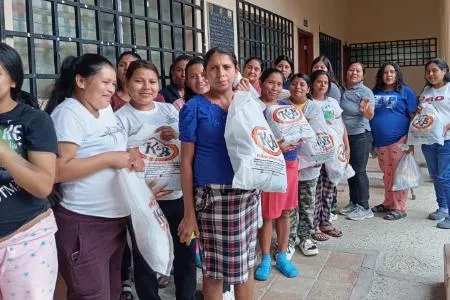
Tangible Support (The "Packs")
When resources are available, HRM provides the women with essential supplies that are otherwise unaffordable for them:
Baby Packs: These are "take-home" kits that include onesies, cloth diapers, a light and heavy blanket, hats, and mittens. For many babies, these are the only clothes they will own.
Mother Packs: These contain basic hygiene products and toiletries for the woman's recovery and health.
Seeds: At the end of the program, mothers receive heirloom seeds to start their own home gardens using the techniques they learned.
Why It Matters
In Honduras, the poor often survive on as little as 1–2 corn tortillas a day. By teaching sustainable techniques and providing medical oversight, this program directly addresses:
Malnutrition: The #1 health issue in the region.
High-Risk Births: Encouraging hospital deliveries rather than unassisted births in remote huts.
Low Birth Weight: Improving maternal caloric intake through better agricultural practices.
$25 – Newborn Essentials: Provides a "Baby Pack" (diapers, onesies, blankets) for a new mother in the mountains.

COMPANY
Reference Letters
SUPPORT
Donations and correspondence can be mailed to:
HRM
Po Box 608
Lowell, AR 72745
LEGAL
FOLLOW US


© Copyright 2026. Heaven's Reach Ministries. All Rights Reserved.